


Becoming a doctor is one of the most rewarding careers, but it can also make getting a mortgage more complicated than many people expect.
From foundation training and rotating hospital placements to locum work and private practice, medical careers don't always fit neatly into the standard lending criteria used by many high street banks.
The good news is that many lenders recognise the unique circumstances of doctors and offer flexible underwriting to help medical professionals achieve their homeownership goals.
At Chetwood Lloyd Mortgages, we help doctors at every stage of their career find the right mortgage without charging broker fees.
Why Can It Be Difficult for Doctors to Get a Mortgage?
Although doctors generally have strong long-term earning potential, their career path often creates challenges during the early years.
Common issues include:
Fixed-term NHS contracts
Rotational training placements
Recently qualified doctors with limited employment history
Locum income
Multiple income sources
Student loan repayments
Newly established private practice income
Some lenders may struggle to assess these situations, while others have lending policies specifically designed for medical professionals.
Mortgages for Junior Doctors
Junior doctors often assume they'll need several years of permanent employment before buying a home. Thankfully, that's rarely the case.
Many lenders are happy to consider:
Foundation Year (FY1 & FY2) doctors
Specialty trainees
Fixed-term NHS contracts
Employment contracts due to commence
Doctors who rotate between hospitals
Some lenders will even assess affordability based on your current NHS contract and expected career progression.
Can Locum Doctors Get a Mortgage?
Yes.
Locum doctors can obtain mortgages, although the lender will usually want to see evidence that your income is sustainable.
Depending on the lender, they may consider:
Average income over the last 3 to 12 months
Daily or hourly rates
NHS bank work
Agency work
A combination of employed and locum income
Because every lender assesses locum income differently, choosing the right lender can make a significant difference to how much you can borrow.
Mortgages for Consultants and GPs
Consultants and General Practitioners often have multiple income streams, including:
NHS salary
Private practice
Partnership income
Clinical excellence awards
Overtime
Additional sessions
Many lenders are happy to use several of these income sources when calculating affordability, helping maximise borrowing potential.
How Much Can a Doctor Borrow?
Every lender uses its own affordability calculations, but borrowing typically depends on:
Annual income
Contract type
Existing financial commitments
Credit history
Deposit size
Number of dependants
Some lenders may offer higher income multiples to certain medical professionals where affordability supports it.
Rather than relying on simple salary multipliers, many lenders now carry out detailed affordability assessments.
What Deposit Will You Need?
The minimum deposit depends on both the lender and your circumstances.
Typically:
5% deposit – Available with some lenders
10% deposit – Offers wider lender choice
15–20% deposit – May unlock more competitive interest rates
A larger deposit can often reduce your monthly payments and improve the range of mortgage products available.
Documents You'll Usually Need
When applying for a mortgage, lenders may ask for:
Proof of identity
Proof of address
Recent payslips
NHS employment contract
Bank statements
P60
Evidence of locum income (where applicable)
Tax calculations if you're self-employed
Proof of deposit
Having your documents ready can help the application progress more smoothly.
First-Time Buyer Doctors
Buying your first home can feel overwhelming, especially while balancing demanding shifts and exams.
A mortgage adviser can guide you through every stage, including:
Understanding your budget
Obtaining an Agreement in Principle
Finding the right lender
Submitting your mortgage application
Liaising with solicitors and estate agents
Receiving your mortgage offer
Completing your purchase
Having expert support means you can focus on your career while someone else manages the mortgage process.
Why Use a Mortgage Broker?
Not every lender treats doctors in the same way.
Some lenders have policies specifically designed for medical professionals, while others may decline applications that another lender would happily accept.
Working with an experienced mortgage broker means:
Access to a wide range of lenders
Guidance on the most suitable lender for your circumstances
Help presenting complex income correctly
Support from application through to completion
Expert advice tailored to your career
How Chetwood Lloyd Mortgages Can Help
Whether you're a newly qualified doctor, a junior doctor, consultant, GP, or locum, we understand that your career doesn't always fit the standard mortgage application process.
We work with lenders that understand medical professionals and can help identify the most suitable mortgage for your circumstances.
Our advice is:
Independent
Fee Free
Available across England and Wales
Delivered by phone or online at times that work around your shifts
We'll take the time to understand your income, career plans and home-buying goals before recommending a mortgage that's right for you.
Frequently Asked Questions
Can doctors get a mortgage with a fixed-term NHS contract?
Yes. Many lenders are comfortable lending to doctors on NHS fixed-term contracts, particularly where there is evidence of continued employment or progression.
Can locum income be used for a mortgage?
Yes. Many lenders will consider locum income, although the amount of history required varies between lenders.
Do doctors get special mortgage rates?
Not usually. However, some lenders have underwriting policies that are more flexible for medical professionals, making it easier to qualify or borrow more.
Can I get a mortgage before starting my new NHS role?
Some lenders may consider an application based on a signed employment contract before your first day of work, subject to their criteria.
Speak to a Fee-Free Mortgage Adviser
If you're a doctor looking to buy your first home, move house or remortgage, we're here to help.
We'll search a wide range of lenders, explain your options clearly, and support you from your first enquiry right through to getting the keys to your new home—all without charging a broker fee.
Share this post
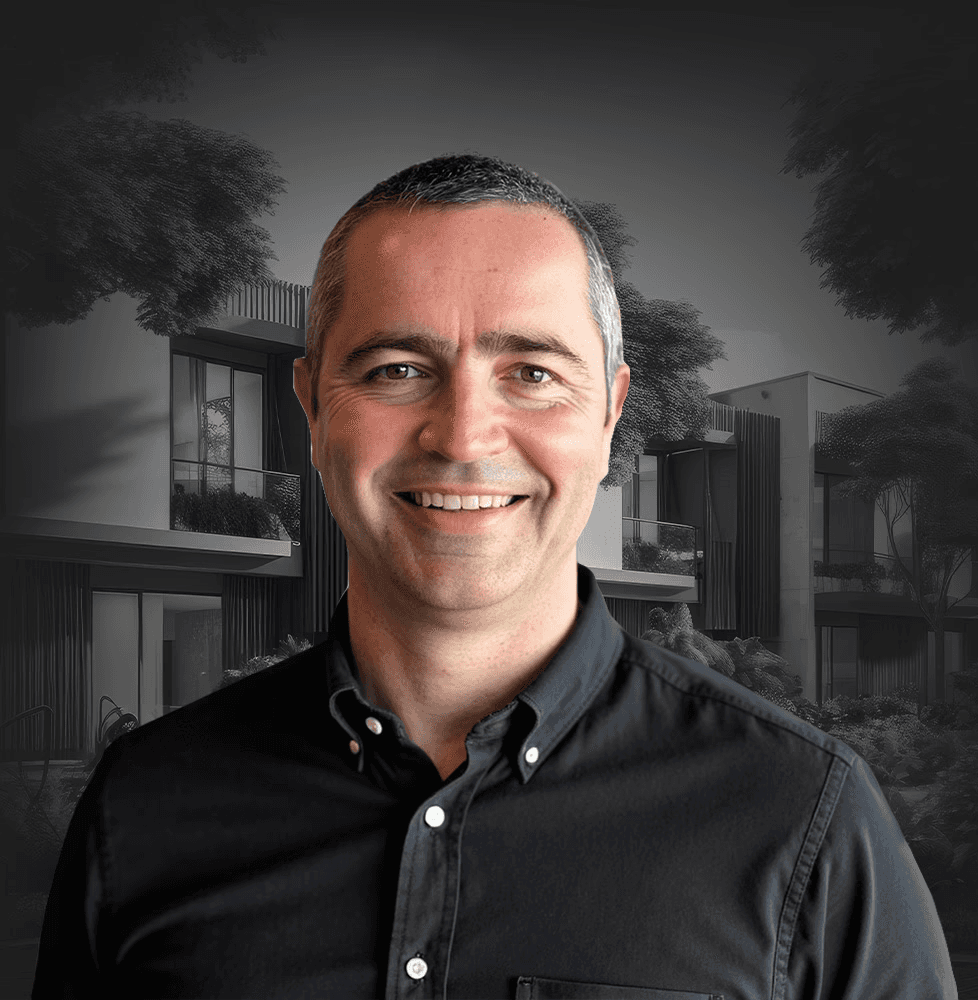
Jamie Mielczarek, founder of Chetwood Lloyd Mortgages, brings 25 years of experience and a commitment to honest, client-first advice rooted in family values and full independence.
New content, straight to the point. Practical knowledge for your financial journey.


